Philosophy, Ethics & Religion
Curriculum Leader: Mr. J. Booker
Contact: jbooker@testwoodschool.co.uk
Philosophy, Ethics & Religion is designed to engage students with life’s fundamental questions, providing them with the knowledge, language, and critical thinking skills to explore a diverse range of ideas. Our aim is to encourage students to reflect on their own beliefs and values, while developing an informed respect for the beliefs and practices of others.
Students explore key religious traditions, grapple with big philosophical questions, and examine moral dilemmas that shape human experience. We place particular emphasis on developing student voice, reasoning, and respectful debate.
Importantly, this subject is relevant to all students – regardless of personal belief. Even if a student does not follow a religion, studying PER helps them to understand the values and motivations of others in a diverse society. It provides tools to think deeply about justice, truth, identity, and how to live a good life. These are human questions, not just religious ones.
We want students to succeed in having:
- A foundational knowledge of the world’s major religions and non-religious worldviews
- The ability to think critically and articulate well-reasoned arguments
- A curiosity about the world around them and a sense of empathy for those with different beliefs in their local and worldwide community
- Skills in literacy, oracy and evaluation that can be transferred across subjects
Key Stage 3 Curriculum Intent
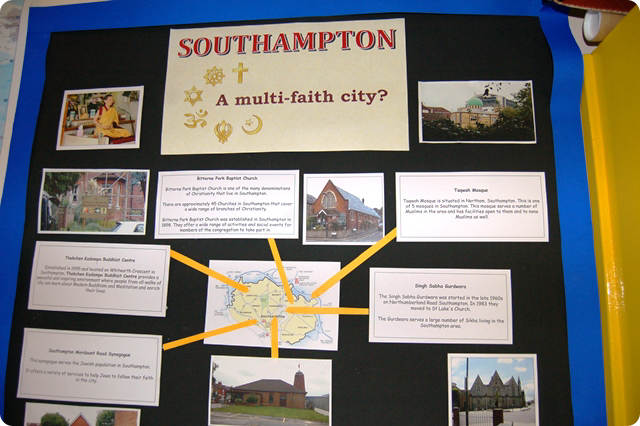
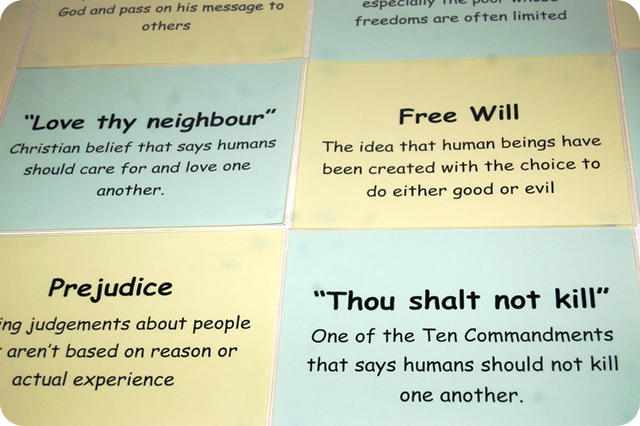
Our KS3 PER curriculum offers a rich mix of philosophical enquiry, ethical debate, and in-depth religious study. Students engage with big ideas – such as justice, suffering, equality, belief in God, and the afterlife – while also developing a deep understanding of global religions, such as Judaism, Christianity, Islam, Hinduism, Buddhism, and Sikhi. They examine both religious and non-religious worldviews, including Humanism, and explore how belief systems shape lives, choices and communities.
The KS3 curriculum also encourages our students to build essential skills in critical thinking, empathy, discussion, and reasoned argument – all of which prepare them to be thoughtful, respectful, and informed members of modern society. Whether or not students hold religious beliefs themselves, PER equips them with the tools to understand the world around them and their place within it.
Key Stage 4 Curriculum Intent
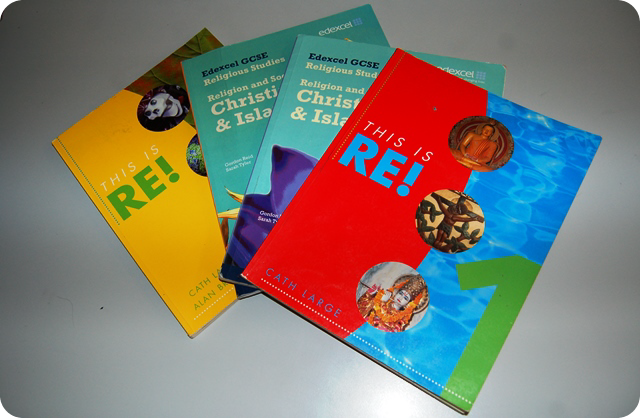
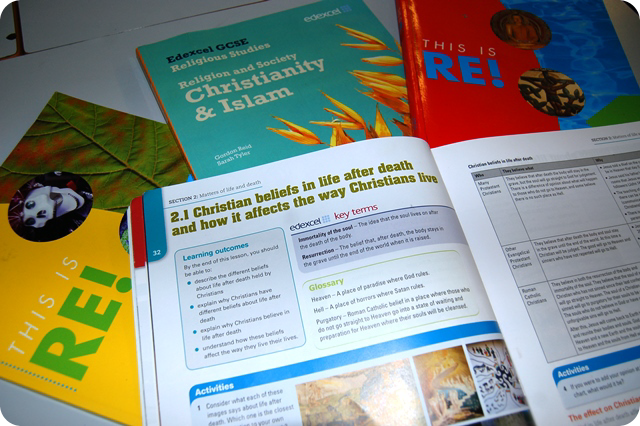
At KS4, students follow the Edexcel B GCSE in Religious Studies, deepening their understanding of philosophical, ethical, and religious questions through the focused study of Christianity and Islam. The curriculum builds on the curiosity, empathy, and critical thinking developed at KS3, while preparing students for both academic success and thoughtful engagement with the world around them.
Paper 1: Religion and Ethics through Christianity explores key moral issues and Christian beliefs about marriage and the family, and matters of life and death. Students examine how Christian teachings influence personal and societal decisions – for example, views on abortion, euthanasia, and the sanctity of life – and consider whether religious values still hold relevance in the modern world.
Paper 2: Religion, Peace and Conflict through Islam challenges students to think deeply about peace, justice, forgiveness, conflict and violence, alongside Muslim viewpoints. Students explore Muslims’ responses to terrorism, war, pacifism, and reconciliation – all while making connections between belief and real-world events.